

Why Rest Days Are an Important Part of Your Fitness Routine
Rest days support recovery, training quality and long-term consistency. Learn how to schedule complete rest and active recovery without losing momentum.
Small daily habits can make a big difference. Explore practical health, fitness, nutrition, recovery, vitamin, supplement, hydration, sleep, and wellness tips designed to help you feel better, move better, and stay consistent.
Rest days support recovery, training quality and long-term consistency. Learn how to schedule complete rest and active recovery without losing momentum.
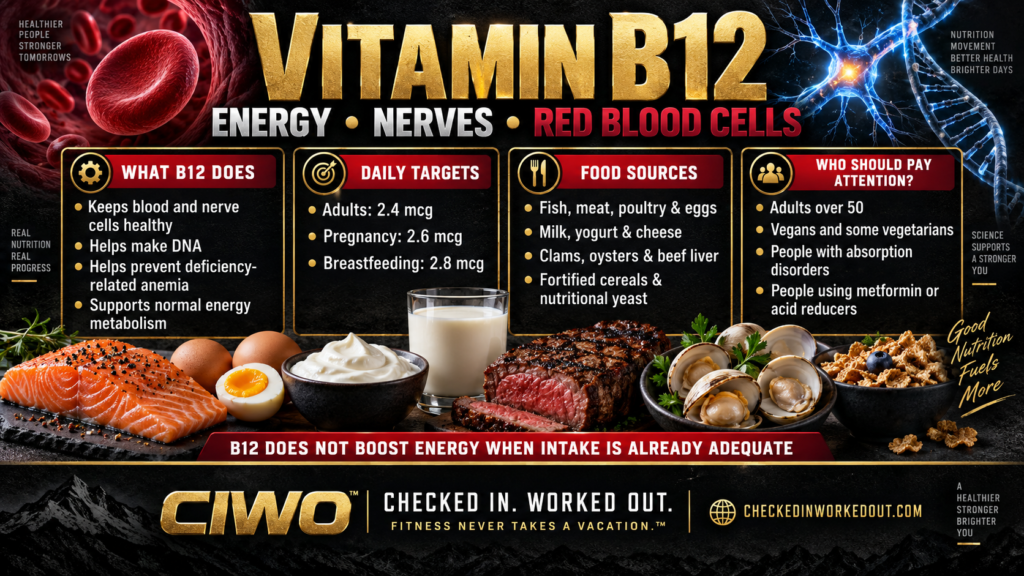
Learn how vitamin B12 supports healthy nerves, red blood cells, DNA production and normal energy metabolism—plus daily targets, food sources and deficiency risks.
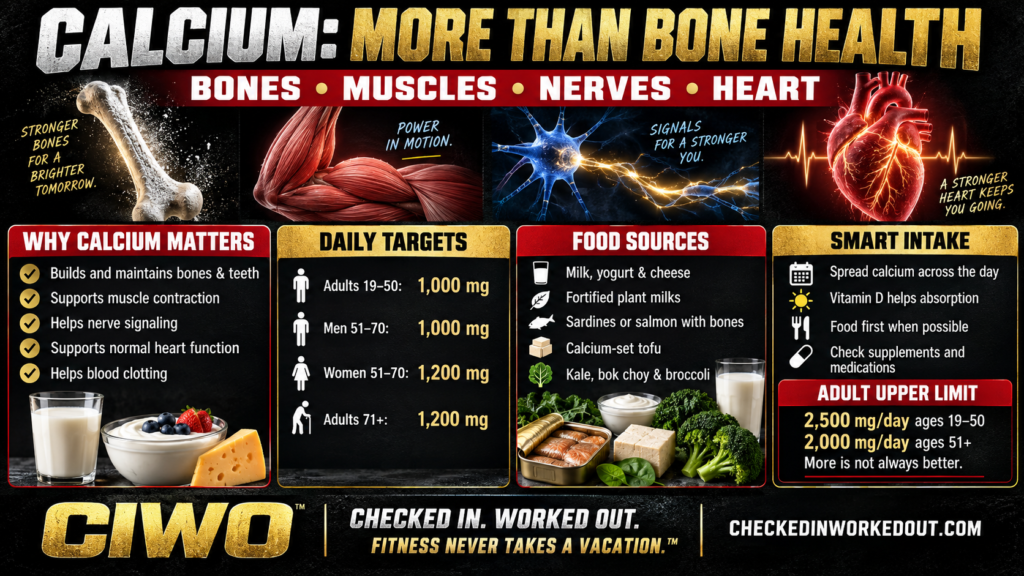
Calcium supports far more than bones. Learn how it helps muscles, nerves, the heart and blood clotting, plus daily targets, food sources and supplement safety.
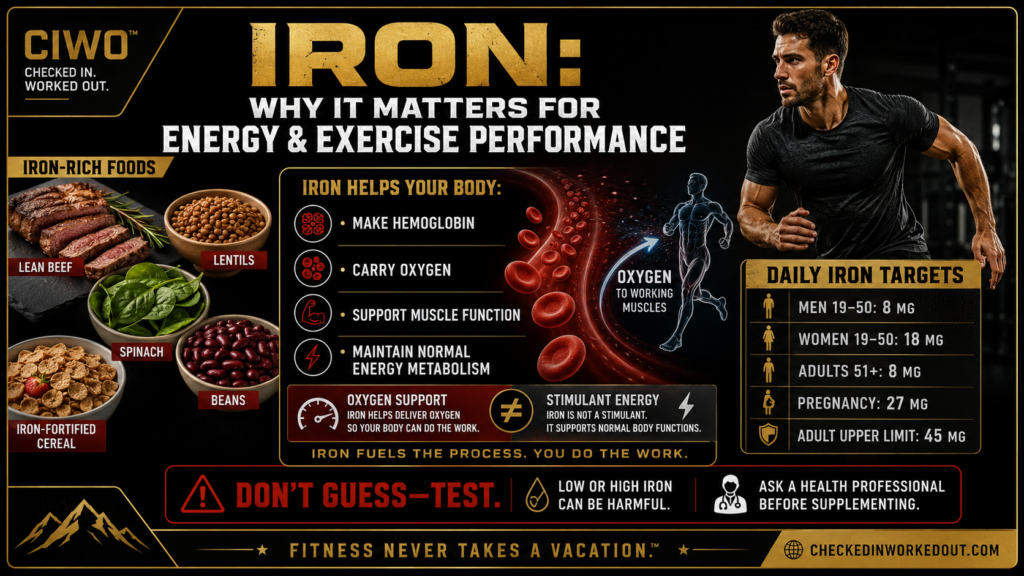
Iron helps make hemoglobin and myoglobin, supports oxygen transport and contributes to normal energy metabolism. Learn daily needs, food sources, absorption tips, warning signs and supplement safety.
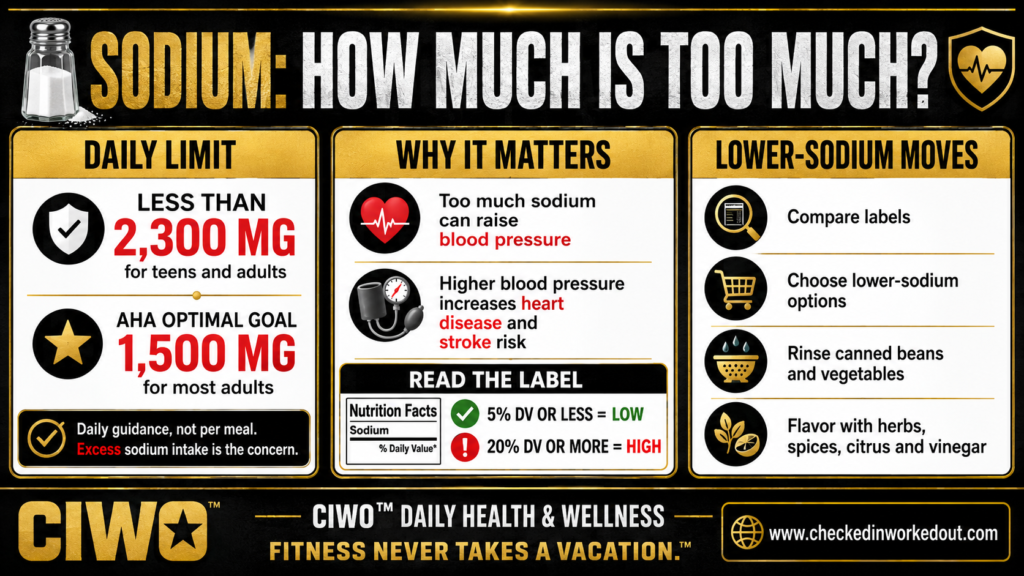
Learn how much sodium teens and adults should generally consume, why excess sodium matters, how to read food labels and practical ways to reduce intake.
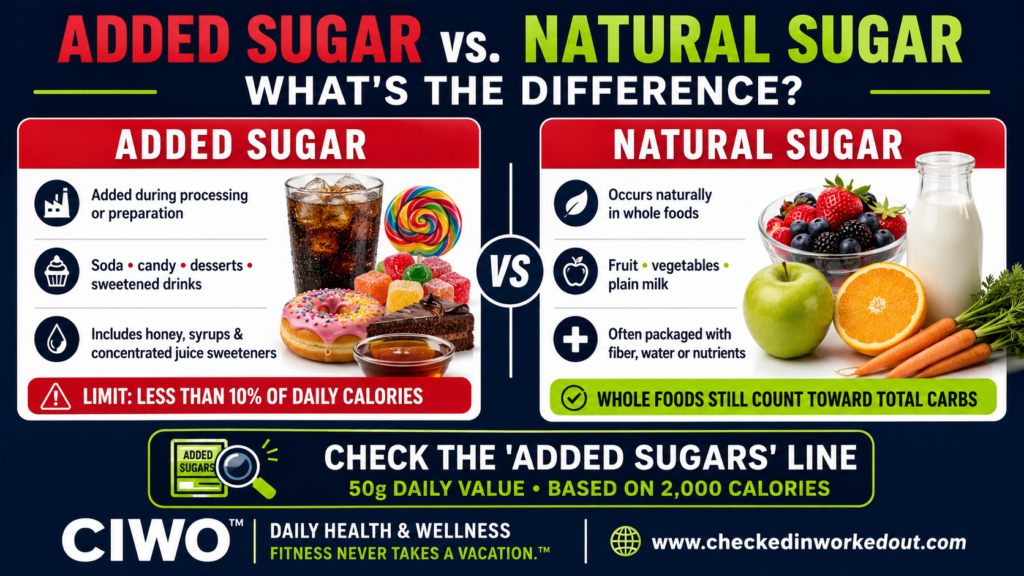
Learn how added sugar differs from sugar naturally present in fruit, vegetables and milk, how to read the Nutrition Facts label and practical ways to reduce added sugar.
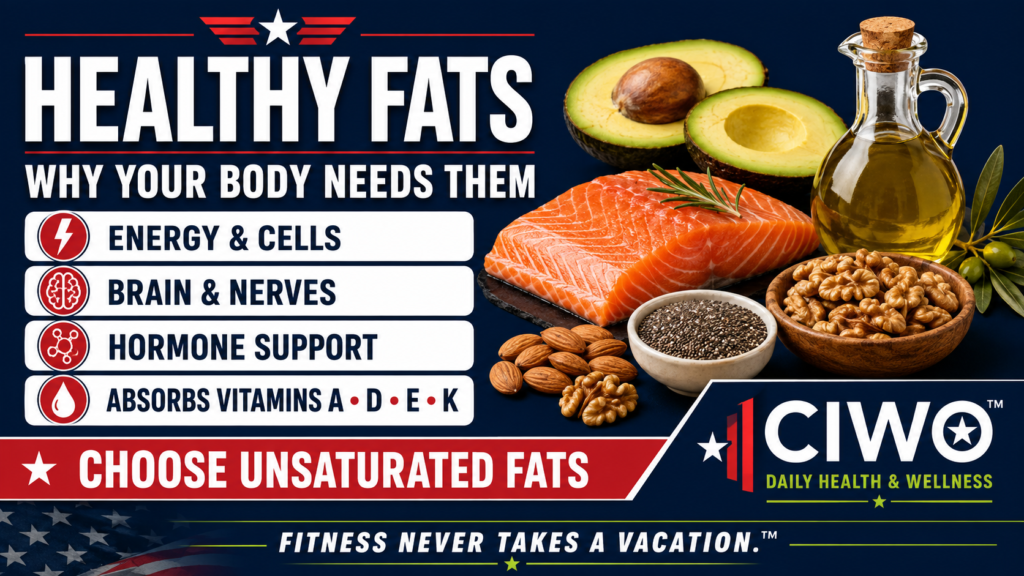
Healthy fats support energy, cell structure, brain and nerve function, hormone-related processes and absorption of vitamins A, D, E and K. Learn which fats to choose, which to limit and how portions fit a balanced diet.
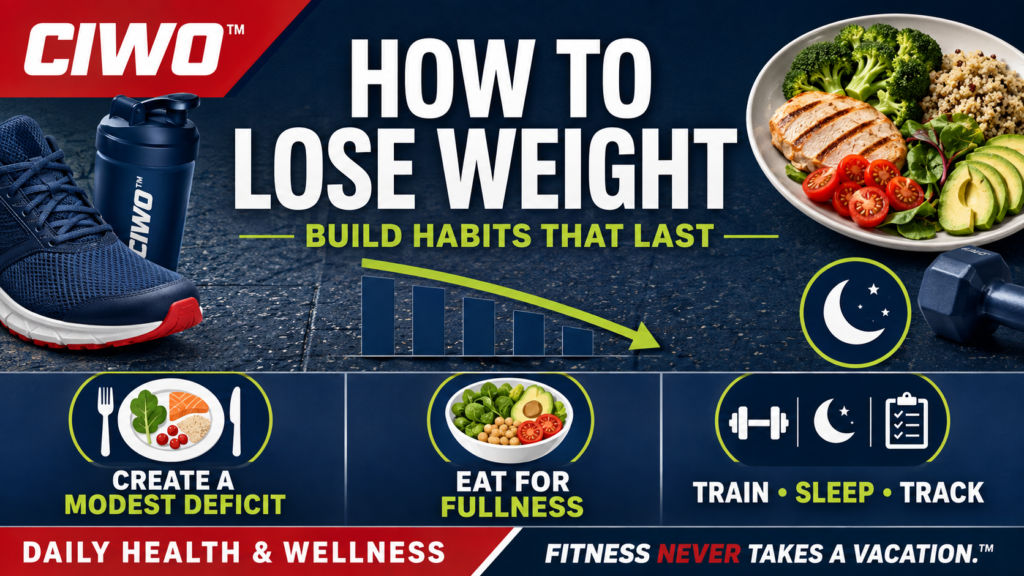
Learn how sustainable weight loss works, how to create a manageable calorie deficit, what habits improve success and how even modest weight loss may benefit health.
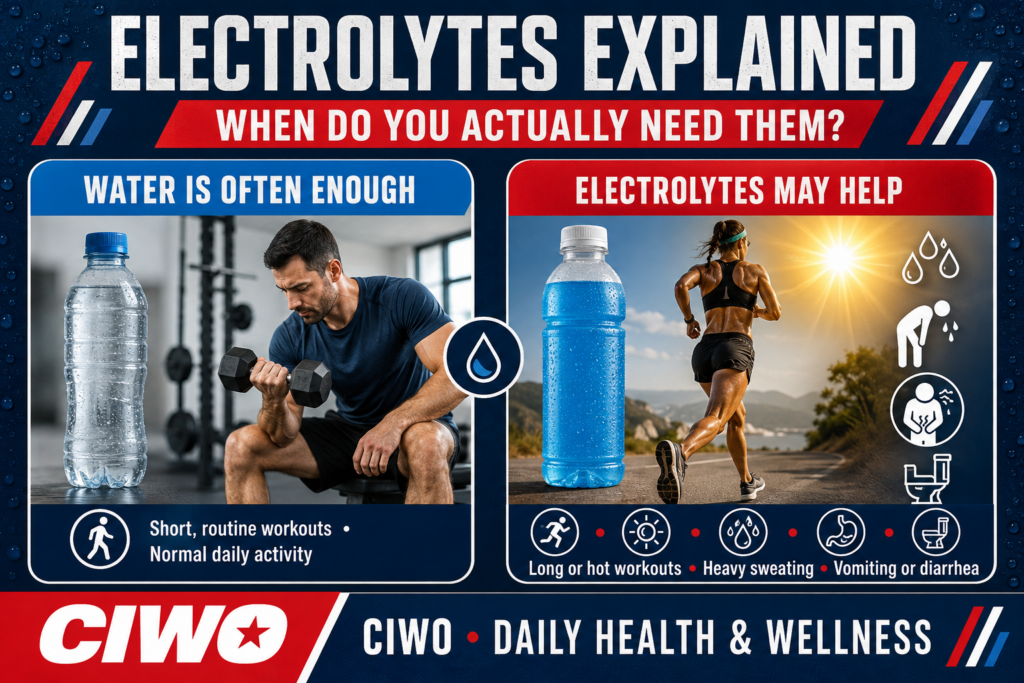
Electrolytes support fluid balance, nerve signaling and muscle function—but most everyday workouts do not require a special drink. Learn when water is enough and when electrolyte replacement may help.
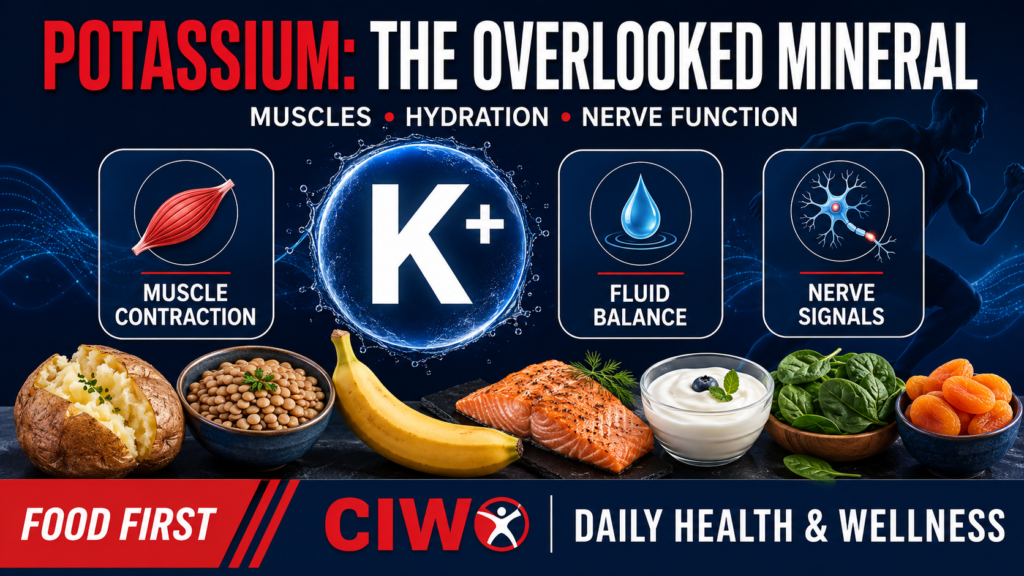
Learn how potassium supports muscle contraction, nerve signaling and fluid balance, how much adults need, the best food sources and when extra potassium can be unsafe.