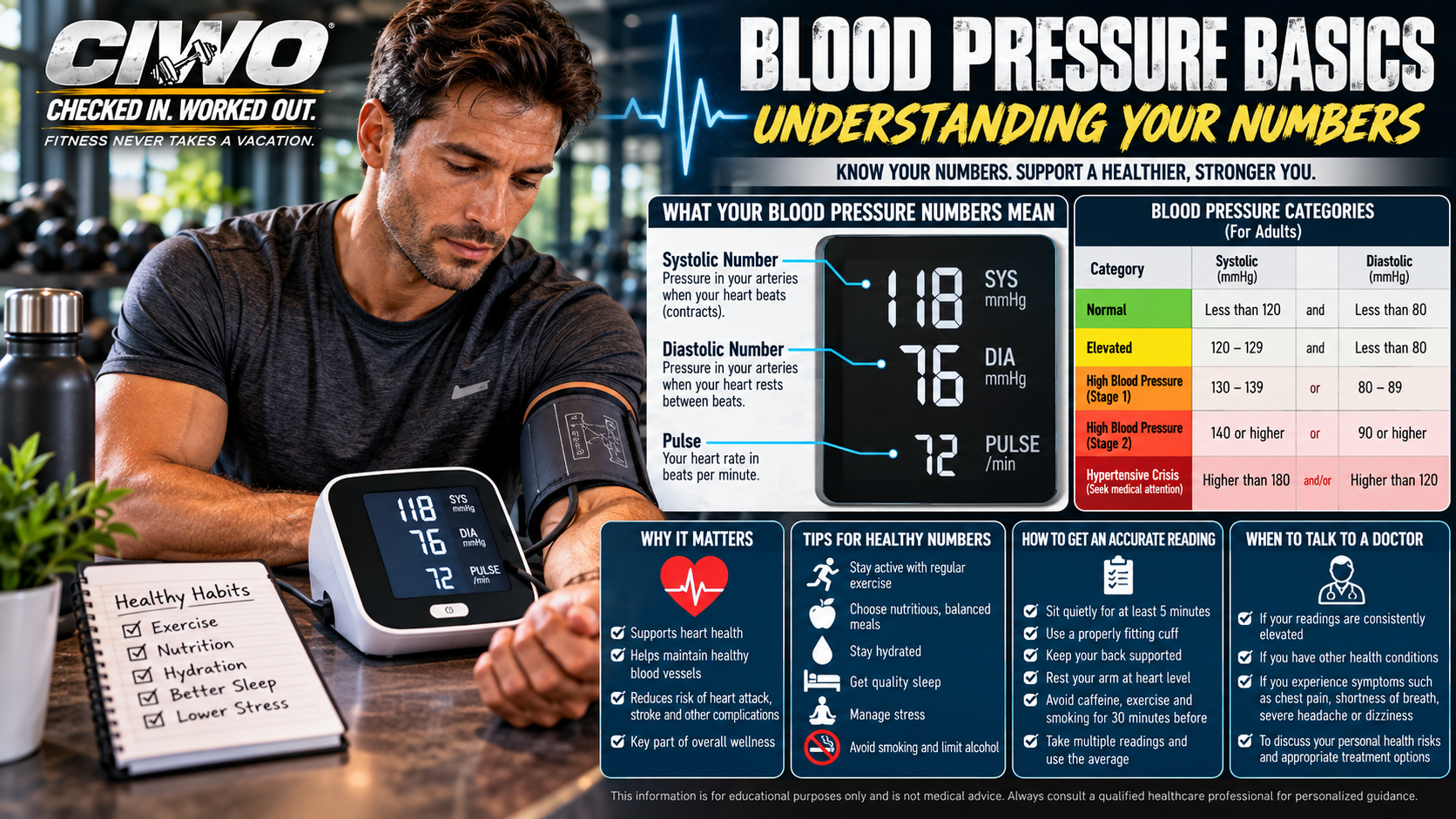

Blood pressure is one of the most common health measurements, but the two numbers can be confusing. A reading such as 118/76 mm Hg contains useful information about the pressure in your arteries as your heart pumps and as it relaxes between beats. Understanding the numbers can make routine checkups and home monitoring easier to interpret.
What Is Blood Pressure?
Blood pressure describes the force of circulating blood against the walls of your arteries. It naturally changes throughout the day with activity, stress, sleep, meals and other factors. A single reading is therefore a snapshot, while repeated properly taken readings can provide a more useful picture over time.
What Do the Two Numbers Mean?
Systolic pressure is the top number. It reflects arterial pressure when the heart contracts and pumps blood. Diastolic pressure is the bottom number. It reflects arterial pressure while the heart relaxes between beats. Blood pressure is reported in millimeters of mercury, abbreviated mm Hg.
Adult Blood Pressure Categories
For nonpregnant adults, the American Heart Association currently lists the following categories. A health professional should interpret your readings in the context of your overall health and can confirm a diagnosis.
- Normal: systolic less than 120 and diastolic less than 80 mm Hg.
- Elevated: systolic 120–129 and diastolic less than 80 mm Hg.
- Stage 1 hypertension: systolic 130–139 or diastolic 80–89 mm Hg.
- Stage 2 hypertension: systolic 140 or higher or diastolic 90 or higher mm Hg.
- Severe hypertension: higher than 180 and/or higher than 120 mm Hg requires prompt attention and repeat measurement as directed below.
Why High Blood Pressure Matters
High blood pressure often has no warning signs or symptoms. When it remains elevated over time, it can increase the risk of problems involving the heart, brain, kidneys and eyes. That is why measuring blood pressure—not waiting for symptoms—is important.
How to Get a Better Home Reading
Technique can meaningfully affect a blood pressure reading. For a more consistent home measurement:
- Avoid exercise, smoking and caffeinated beverages for at least 30 minutes beforehand.
- Empty your bladder and sit quietly for about five minutes before measuring.
- Use a validated upper-arm monitor with a cuff that fits correctly.
- Place the cuff on bare skin rather than over clothing.
- Sit with your back supported, feet flat on the floor and legs uncrossed.
- Support the arm so the cuff is approximately at heart level.
- Stay quiet and still while the monitor is measuring.
- If tracking at home, follow your health professional’s instructions about timing and repeated readings.
One Reading Is Not the Whole Story
Blood pressure can vary from one measurement to another. Stress, recent exercise, caffeine, nicotine, body position and an incorrectly sized cuff can influence the result. Do not diagnose yourself from one isolated reading. If readings are repeatedly above your usual range, record them and discuss the pattern with a qualified healthcare professional.
Blood Pressure and Exercise
Blood pressure normally changes during physical activity, so a resting blood pressure measurement should not be taken immediately after a workout. Regular physical activity is one component of a heart-healthy lifestyle, along with nutritious eating patterns, adequate sleep, avoiding tobacco and following prescribed medical treatment when needed.
When a Very High Reading Needs Attention
If your blood pressure is higher than 180 and/or 120 mm Hg, wait at least one minute and measure again. If it remains that high and you do not have concerning symptoms, contact a healthcare professional promptly. If a reading above 180 and/or 120 occurs with symptoms such as chest pain, shortness of breath, back pain, numbness, weakness, vision changes or difficulty speaking, call 911. Those symptoms can indicate a hypertensive emergency.
Frequently Asked Questions
Is 120/80 always considered normal?
Under the current AHA adult categories, normal is less than 120 and less than 80. A systolic reading of 120–129 with a diastolic reading below 80 is categorized as elevated.
Can I tell when my blood pressure is high?
Usually not. High blood pressure commonly has no warning signs or symptoms, which is why measurement is necessary.
Should I use a smartwatch instead of an arm cuff?
For home blood pressure monitoring, use a device recommended for that purpose and validated for accuracy. Follow your healthcare professional’s advice about the monitor and cuff size that are appropriate for you.
Does a high reading automatically mean I have hypertension?
No. Diagnosis is based on appropriate clinical assessment and often multiple readings rather than a single isolated number.
The CIWO Takeaway
Know what the top and bottom numbers represent, measure under consistent conditions, and pay attention to patterns instead of becoming fixated on one reading. Blood pressure is useful health information, but your healthcare team should help interpret abnormal or persistent results.
Checked In. Worked Out.
Fitness Never Takes a Vacation.
Educational content only. This article is not a diagnosis or a substitute for individualized medical care.