

Protein after a workout plays an important role in muscle repair and recovery—but more is not always better. The amount you need depends on your body size, training, overall diet, and total daily protein intake.
Why Protein Matters After Exercise
Resistance training and other challenging exercise stimulate muscle protein breakdown and remodeling. Dietary protein supplies amino acids your body uses to repair tissue and support muscle protein synthesis during recovery.
How Much Protein Do You Really Need After a Workout?
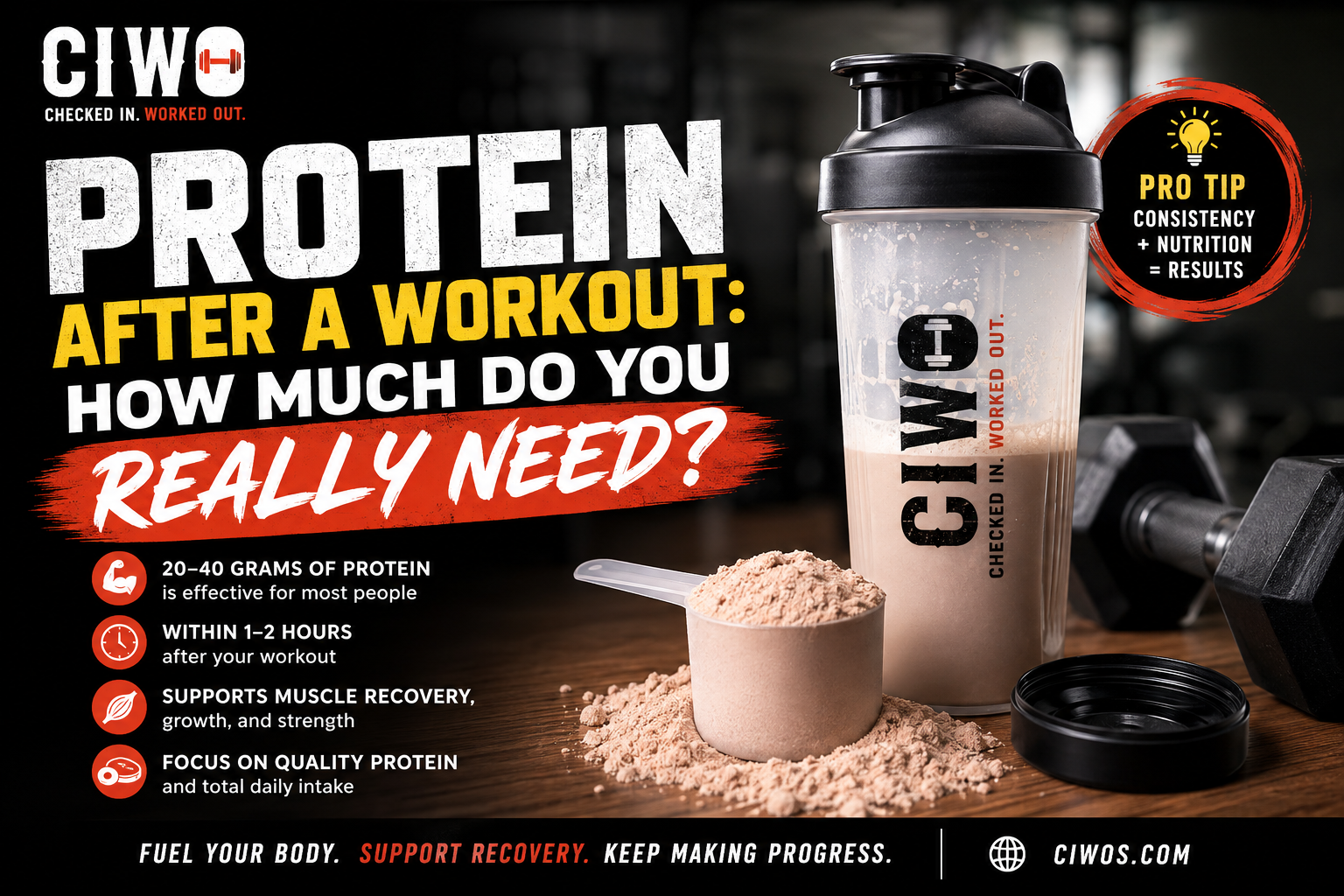
For many healthy adults, a practical post-workout target is about 20–40 grams of high-quality protein. Another useful guideline is approximately 0.25–0.40 grams of protein per kilogram of body weight per meal, particularly when the goal is supporting muscle growth and recovery.
- 20 grams: may be enough for smaller individuals or less demanding sessions.
- 25–30 grams: is a practical target for many active adults.
- 30–40 grams: may be appropriate for larger individuals, older adults, or demanding resistance-training sessions.
The exact number is less important than consistently consuming enough protein across the entire day. Your body continues remodeling muscle for many hours after training, so recovery nutrition is not limited to a single shake immediately after your last set.
The Bigger Picture: Total Daily Protein
If you exercise regularly, especially if you perform resistance training, total daily protein intake is one of the biggest nutritional factors to consider. A commonly used range for active adults is approximately 1.2–2.0 grams of protein per kilogram of body weight per day. People focused heavily on building or preserving muscle often fall toward the higher end of that range.
Rather than consuming most of your protein at one meal, spreading protein-rich meals across the day can provide repeated opportunities to support muscle protein synthesis.
Do You Need Protein Immediately After Training?
You do not have to race to the locker room for a protein shake. The old idea of a tiny 30-minute “anabolic window” is overly restrictive. If you ate a protein-containing meal within a few hours before training, there is generally less urgency.
A practical approach is to eat a protein-rich meal or snack within roughly one to two hours after exercise when convenient, while keeping your overall daily protein intake the priority.
Good Post-Workout Protein Sources
- Whey protein: convenient, rapidly digested, and rich in essential amino acids.
- Greek yogurt or cottage cheese: convenient dairy options that also provide other nutrients.
- Eggs: a complete whole-food protein source.
- Chicken, turkey, lean beef, or fish: easy to combine with carbohydrates for a complete post-workout meal.
- Milk: provides both whey and casein proteins along with carbohydrates.
- Soy and other plant proteins: useful alternatives for people who prefer plant-based nutrition.
Protein Powder vs. Whole Food
Protein powder is convenient, but it is not required. A shake can make it easier to reach your protein target when you are busy or do not feel like eating a full meal after training. Whole foods provide protein along with vitamins, minerals, and other nutrients, so both approaches can fit into a balanced diet.
Don’t Forget Carbohydrates and Hydration
Protein is only one part of recovery. Carbohydrates help replenish muscle glycogen used during training, while fluids and electrolytes help replace what you lose through sweat. After demanding or prolonged exercise, a meal containing protein + carbohydrates + fluids can be a simple recovery strategy.
Can You Eat Too Much Protein at Once?
Your body does not simply “waste” every gram above a fixed amount, but consuming a huge serving at once is not necessary to maximize the muscle-building response from a meal. For most people, moderate protein servings distributed throughout the day are a more practical strategy.
CIWO Takeaway
Aim for roughly 20–40 grams of quality protein after training, but don’t obsess over the clock. Your total daily protein intake, overall nutrition, training consistency, hydration, and recovery habits matter more than hitting a perfect post-workout minute.
If you have kidney disease, another medical condition that affects protein needs, or have been advised to restrict protein, talk with an appropriate healthcare professional about an intake level that is right for you.
Keep Building Better Recovery Habits
Explore more CIWO Fitness Daily Health & Wellness articles, high-protein Meal Preps, workout guides, and fitness resources to help you train, recover, and stay consistent.
Putting Protein After a Workout Into Practice
The useful question is not whether one nutrient, recovery habit or wellness practice is “good,” but how it fits into the larger picture of training, food, sleep and individual health needs.
Use a food-and-habit first approach
Build the foundation with a varied diet, regular hydration, sufficient sleep and progressive exercise. Supplements and specialty products can be convenient in some situations, but they should not replace those basics or be treated as guaranteed performance solutions.
Individual needs vary
Body size, age, training volume, environment, medications and medical conditions can all change individual needs. Persistent symptoms, suspected deficiencies or major dietary changes are appropriate reasons to seek personalized guidance from a qualified healthcare professional.
Track trends, not one perfect day
Fitness and wellness improve through consistent patterns. Pay attention to energy, training performance, recovery and dietary quality across weeks rather than trying to optimize a single meal or workout.
Explore the CIWO Daily Health & Wellness library and workout guides for related education.