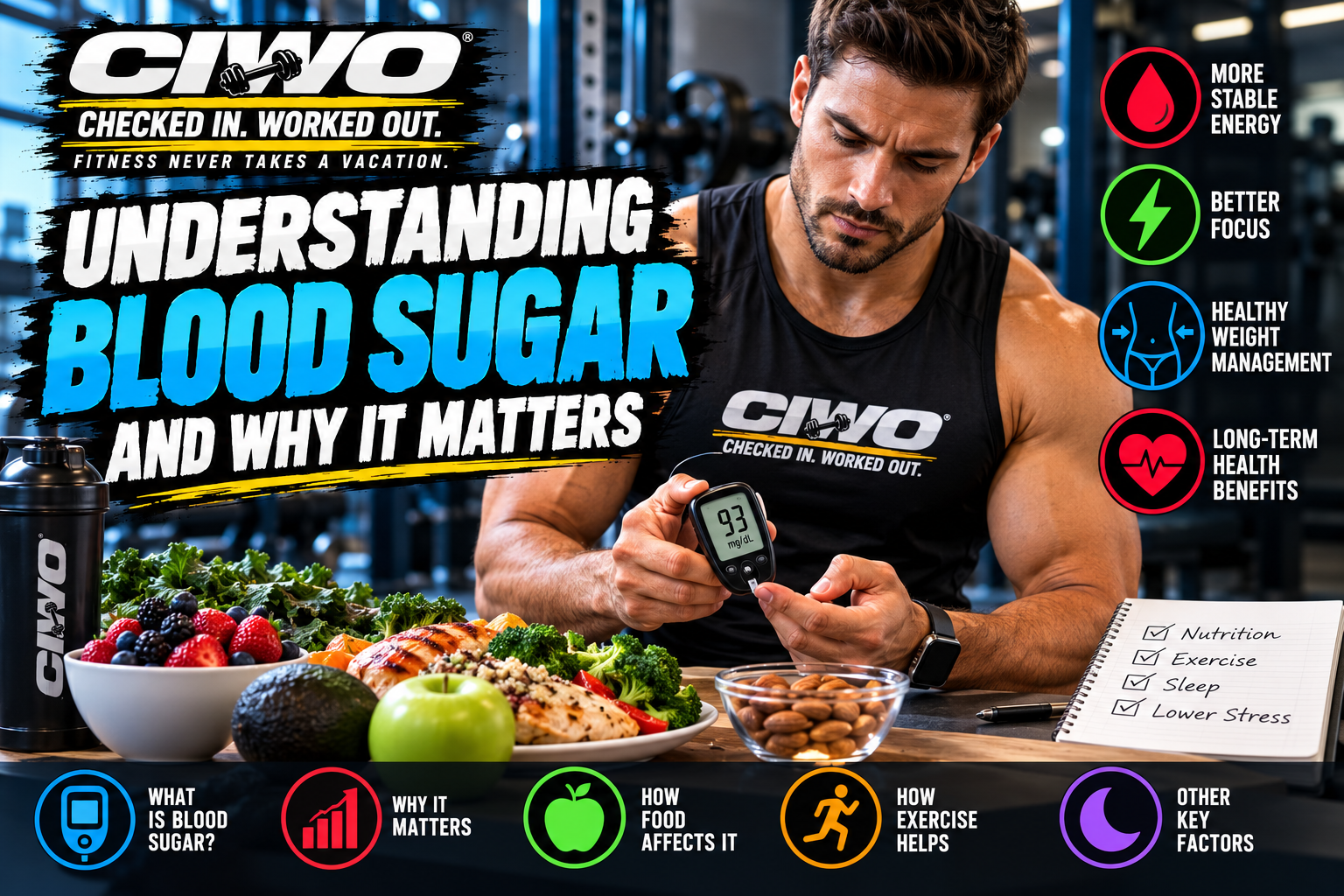

Blood sugar, also called blood glucose, is the amount of glucose circulating in your blood. Glucose is an important fuel source for your cells, but keeping blood glucose within a healthy range matters because levels that remain too high or fall too low can affect how you feel and, over time, your health.
Where Does Blood Sugar Come From?
Your body gets glucose primarily by digesting carbohydrate-containing foods. Carbohydrates are broken down into glucose, which enters the bloodstream. The liver can also release stored glucose when your body needs additional fuel, including between meals and during activity.
What Does Insulin Do?
Insulin is a hormone produced by the pancreas. After blood glucose rises, insulin helps glucose move from the bloodstream into cells where it can be used for energy or stored for later. Blood glucose regulation involves several hormones and organs, so it is more complex than simply labeling individual foods as “good” or “bad.”
Why Blood Sugar Matters
Blood glucose that stays above the healthy range over time can damage blood vessels and nerves and is associated with complications involving the heart, kidneys, eyes and other organs. Very low blood glucose can also be dangerous, particularly for people using insulin or certain glucose-lowering medications.
How Food Can Affect Blood Glucose
Carbohydrate-containing foods can raise blood glucose, but the response varies with the amount and type of carbohydrate, fiber, protein, fat, meal composition, activity, medications and individual physiology. Whole grains, beans, vegetables, fruit and other fiber-containing foods can be part of a balanced eating pattern. Pairing carbohydrate foods with protein, fiber and unsaturated fats may also affect digestion and the glucose response.
How Exercise Helps
Working muscles use glucose for energy. Physical activity can increase glucose uptake by muscle and, when performed regularly, can improve insulin sensitivity. Both aerobic exercise and resistance training can contribute to metabolic health. People taking insulin or medications that can cause hypoglycemia may need individualized guidance about exercise, food and medication timing.
Other Factors That Can Affect Blood Sugar
- Sleep quantity and quality
- Stress and stress hormones
- Illness or infection
- Medications
- Meal timing and composition
- Physical activity
- Alcohol
- Hormonal changes
Understanding Common Blood Sugar Tests
A fasting plasma glucose test measures blood glucose after an overnight fast. An A1C test estimates average blood glucose over roughly the previous two to three months. Clinicians may also use an oral glucose tolerance test or other testing depending on the situation.
Common Diagnostic Ranges
For nonpregnant adults, commonly used diagnostic criteria include a fasting plasma glucose below 100 mg/dL as normal, 100–125 mg/dL as the prediabetes range, and 126 mg/dL or higher as the diabetes range. For A1C, below 5.7% is generally considered normal, 5.7–6.4% is the prediabetes range, and 6.5% or higher is the diabetes range. A diagnosis generally requires appropriate clinical testing and confirmation unless there are clear symptoms with unequivocal hyperglycemia. Pregnancy uses different criteria.
A Single Meter Reading Is Not a Diagnosis
Home glucose meters can be useful for people who have been advised to monitor their glucose, but one isolated number should not be used to diagnose diabetes or prediabetes. Timing relative to meals, medications, activity and other factors matters. If you are concerned about your blood sugar, discuss appropriate laboratory testing with a healthcare professional.
Practical Habits That Support Metabolic Health
- Be physically active consistently.
- Include resistance training along with aerobic activity when appropriate.
- Build meals around nutrient-dense foods and adequate fiber.
- Include appropriate protein sources.
- Prioritize regular sleep.
- Avoid tobacco and follow medical guidance for existing conditions.
- Take prescribed medications as directed rather than changing them based on general fitness advice.
When to Get Medical Help
Symptoms such as excessive thirst, frequent urination, unexplained weight loss, persistent fatigue or blurred vision can occur with high blood glucose and warrant medical evaluation. Severe hypoglycemia can cause confusion, seizures or loss of consciousness and requires urgent treatment. Seek prompt medical care for severe symptoms or if you have concerning glucose readings and are unsure what to do.
The CIWO Takeaway
Blood sugar is not something to fear—it is a normal and essential part of human physiology. The goal is healthy regulation. Regular movement, resistance training, balanced nutrition, adequate sleep and appropriate medical care can all contribute to better metabolic health.