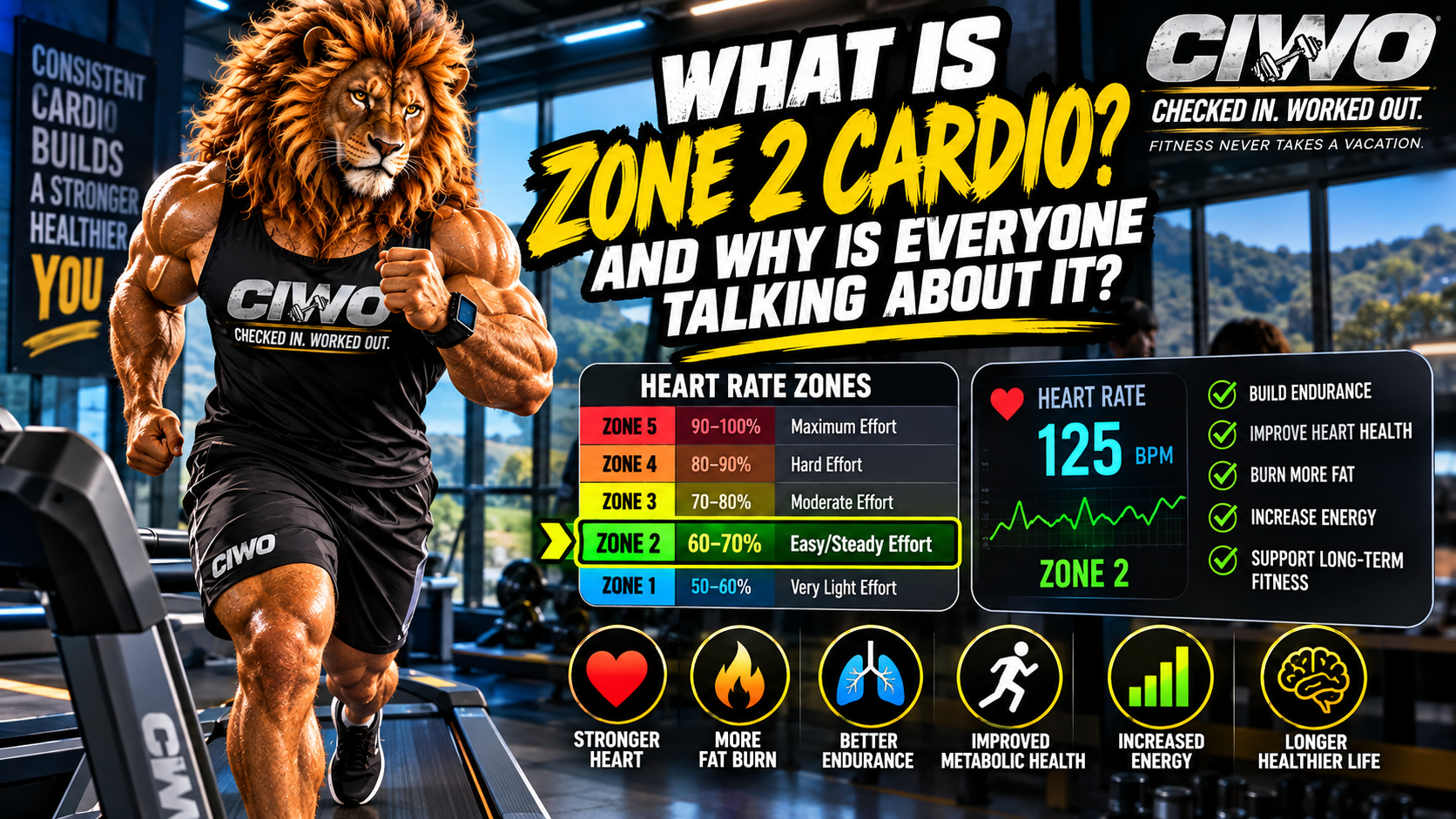

Zone 2 cardio has become one of the most talked-about endurance-training concepts, but the basic idea is simple: spend sustained time exercising at an intensity that feels relatively easy and controlled rather than turning every cardio session into a hard effort.
What Is Zone 2 Cardio?
Zone 2 is a low-to-moderate aerobic training intensity. In a common five-zone heart-rate model, it sits above very easy recovery work and below moderate-to-hard training. You should generally feel as though you are working, but still in control.
There is no single universal heart-rate percentage that defines Zone 2 for everyone. Watches, apps, coaches and exercise labs can use different zone systems and calculations. Treat device-generated zones as estimates unless they have been individually assessed.
The Talk Test: A Practical Way to Judge the Effort
A simple alternative to obsessing over a heart-rate number is the talk test. During an easy aerobic session, you should usually be able to speak in complete sentences without gasping. Breathing is elevated, but the effort remains sustainable. If conversation becomes difficult, you may have moved into a harder intensity.
Why Has Zone 2 Become So Popular?
- Aerobic development: steady endurance work helps train the cardiovascular system and muscles to support prolonged activity.
- Manageable fatigue: easier sessions can add aerobic training volume without the recovery demands of repeated high-intensity workouts.
- Accessibility: walking, incline treadmill work, cycling, rowing, elliptical training and easy jogging can all be used.
- Consistency: a sustainable pace may be easier to repeat regularly than frequent all-out sessions.
Zone 2 Is Not a Magic Fat-Burning Zone
Lower-intensity aerobic exercise relies on a greater proportion of fat oxidation than harder efforts, but that does not mean Zone 2 automatically produces greater body-fat loss. Changes in body composition depend on overall energy balance, nutrition, activity and other individual factors. Zone 2 is better viewed as one useful way to develop aerobic fitness.
What Does a Zone 2 Workout Look Like?
A beginner might start with 20–30 minutes of comfortable continuous activity and gradually increase duration as fitness and tolerance improve. More experienced exercisers may use longer sessions depending on their goals and total training schedule.
- Brisk outdoor walking
- Incline treadmill walking
- Easy jogging
- Stationary or outdoor cycling
- Elliptical training
- Rowing at a controlled pace
How Often Should You Do It?
There is no universal Zone 2 prescription. Frequency and duration should fit your current fitness, goals, health status and the rest of your training. U.S. physical-activity guidance for adults recommends accumulating aerobic activity each week, with additional benefits possible at higher volumes; that guidance is broader than any specific heart-rate-zone method.
Zone 2 vs. HIIT
Zone 2 and high-intensity interval training are not interchangeable. Easy aerobic work emphasizes sustainable duration, while HIIT uses brief periods of substantially harder effort with recovery periods. A balanced program can include different intensities rather than treating one method as the only form of cardio that matters.
Common Zone 2 Mistakes
- Turning an easy day into a race because the pace feels too slow.
- Assuming a generic heart-rate formula is perfectly accurate for you.
- Ignoring heat, dehydration, hills, stress, caffeine and fatigue, which can affect heart rate.
- Using a wearable number while ignoring how the effort actually feels.
- Believing every cardio workout must stay in Zone 2.
Frequently Asked Questions
Do I need a heart-rate monitor?
No. A monitor can provide useful feedback, but perceived effort and the talk test can also help guide an easy aerobic session.
Can walking count?
Yes. Depending on your fitness and terrain, brisk walking or incline treadmill walking may provide an appropriate aerobic intensity.
Should I stay in Zone 2 for every cardio workout?
Not necessarily. Training intensity should reflect your goals and recovery. Different intensities can serve different purposes.
Safety
Start at an intensity appropriate for your current ability and increase training gradually. Stop exercising and seek appropriate medical attention for warning symptoms such as chest pain, fainting or severe/unusual shortness of breath. If you have cardiovascular disease, significant medical conditions, or take medications that affect heart rate, individualized guidance from a qualified healthcare professional may be more useful than generic heart-rate formulas.
The Takeaway
Zone 2 is popular because it gives a name to something endurance athletes have used for a long time: consistent, sustainable aerobic training. You do not need to chase a perfect number. The goal is controlled cardiovascular work you can perform consistently while leaving room for recovery and other types of training.
Shop CIWO
Checked In. Worked Out.
Fitness Never Takes a Vacation.